The town is called Millhaven, which tells you everything and nothing. There was a mill. There was a haven. Neither exists anymore in any meaningful sense, though the mill building is still there — converted to apartments in the 1990s, now half-empty, its brick facade the most substantial thing in a town that has been slowly losing its reasons to exist for about forty years.
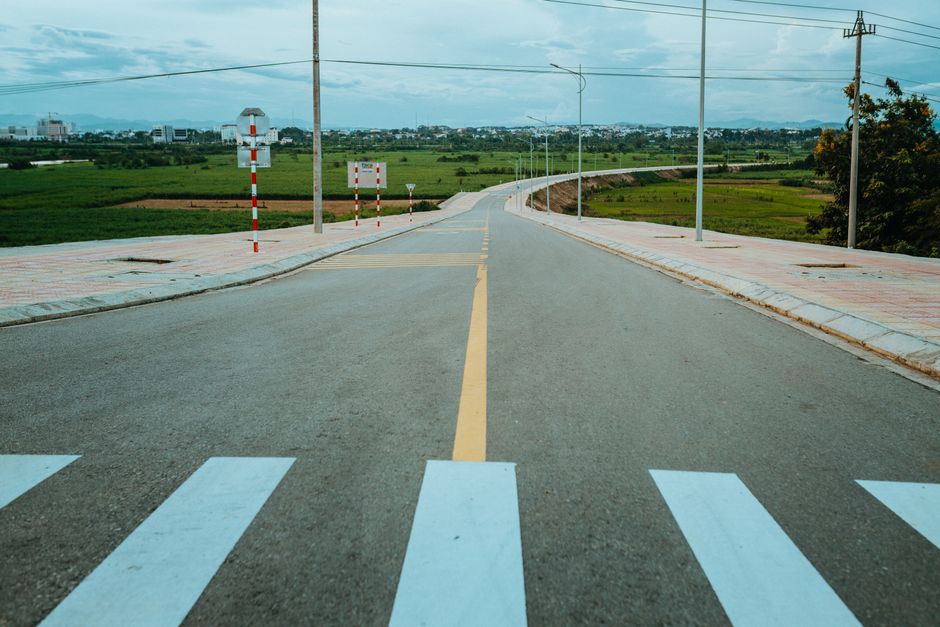
I stopped there because I needed gas and the next station was twenty miles away. I ended up staying for three hours.
The gas station attendant — there was an attendant, which was the first surprise — told me the town had been built around a crossroads. Two highways intersected here, and for about thirty years in the middle of the last century, that intersection mattered. Trucks stopped. Travelers stopped. The diner served three hundred people a day. The motel had a waiting list on summer weekends.
Then the interstate went in twelve miles to the east, and the trucks stopped stopping. The travelers stopped stopping. The diner closed, then reopened as a different diner, then closed again. The motel is still there but it's down to eight rooms and the pool has been empty since 2008. The crossroads is still there, but the roads it crosses don't go anywhere that matters anymore.
What's interesting about Millhaven is that it hasn't given up. It's not a ghost town — there are about 800 people still living there, and they've built a life around what's left. The mill apartments are occupied by people who work remotely and wanted cheap rent and quiet. There's a farmers market on Saturdays that draws people from the surrounding area. The library is open five days a week and has a better collection than you'd expect.
The personal essays I find most interesting are the ones about places like this — places that had a reason and then lost it and had to figure out what they were without it. There's something in that process that feels relevant to a lot of things that aren't places.
The gas station attendant's name was Carl. He'd grown up in Millhaven, left for fifteen years, come back when his mother got sick, and stayed. He didn't seem unhappy about it. He seemed like someone who had made peace with a particular life. He knew everyone who came through the station, which wasn't many people, and he knew their names and their cars and roughly where they were going.
The daily grounding that Carl seemed to have was the kind that comes from knowing your place in a specific geography. He knew this crossroads. He knew the rhythms of who came through and when. He knew the weather patterns and the road conditions and which of the eight motel rooms had the best mattress. That kind of knowledge is not transferable, but it's real.

I ate at the diner — the current one, which has been open for six years and seems to be holding on. The food was good in the way that diner food is good when someone is paying attention. The coffee was better than it had any right to be. The woman who brought it said they'd started roasting their own beans two years ago, which seemed like an unlikely thing to be doing in Millhaven, but there it was.
The texture and place of a town like this is different from the texture of a town that's thriving. There's a particular quality to the light in a place that's been emptying out — something about the ratio of buildings to people, the way sound carries differently when there are fewer bodies to absorb it. Millhaven had that quality. It wasn't sad, exactly. It was spacious in a way that felt earned.
I left after three hours with a full tank and a piece of pie wrapped in wax paper that Carl had insisted I take. The pie was from the diner. It was apple. It was very good. I ate it on the road and thought about the crossroads and the mill and the thirty years when this place mattered to people who were just passing through, and how the people who stayed are still there, still making something out of what's left.
The off-the-beaten-path travel that I find most interesting is the kind that takes you to places that weren't trying to be interesting. Millhaven wasn't trying. It was just there, doing what it could with what it had. That's a kind of dignity that the places that are trying very hard to be interesting rarely manage.