The town has one motel, one diner, and a population of 340. For eleven months of the year, the diner is open from six to two and the motel has vacancies. In August, the motel is booked out by February and the diner adds a second shift and hires four people from the next town over.
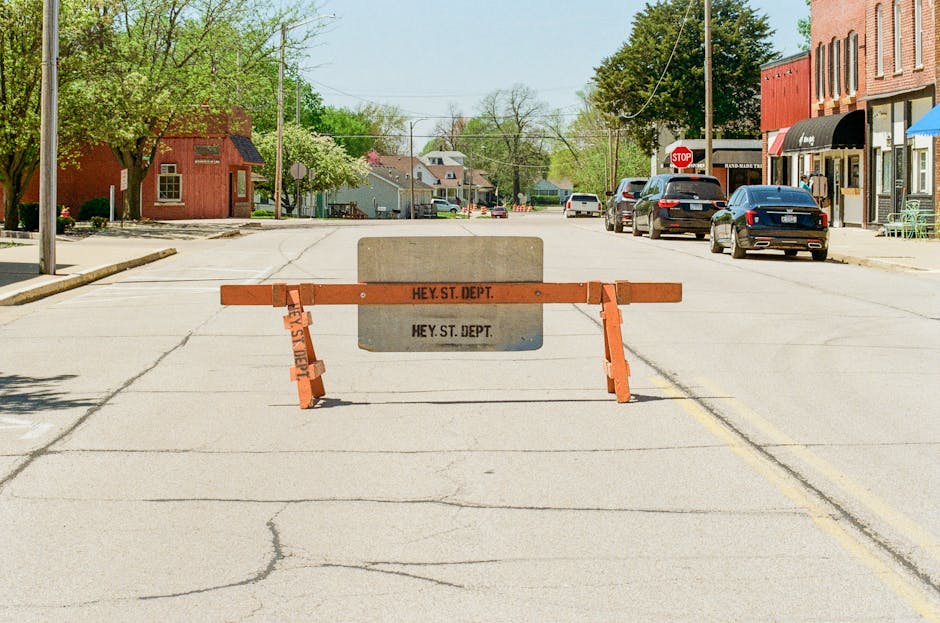
The festival is a hot air balloon rally. Has been for thirty-one years. The town didn't start it — a balloon club from the city did, looking for a flat field and a cooperative local government. The town got both. The balloon club got their rally. The town got an identity.
I drove through in October, two months after the festival. The field where the balloons launch is just a field. There's a sign at the edge of it that says BALLOON RALLY FIELD in letters that were probably bright once. The diner was open. I was the only customer. The woman behind the counter told me the festival brings in about four thousand people over three days. The town's annual budget is built around it.
The have a field trip archive has a piece about towns that exist for a single purpose and what happens to them when that purpose disappears. I kept thinking about it while I was there. The balloon rally isn't going anywhere — it's been running for three decades and the balloon club shows no signs of stopping. But the town's relationship to its own identity is strange. For eleven months, it's just a town. For one month, it's the balloon town. The residents seem to hold both versions simultaneously without much friction.

The diner woman had lived there her whole life. She'd worked the festival every year since she was sixteen. She described it the way you'd describe a relative you see once a year — familiar, slightly exhausting, genuinely looked forward to. "It's a lot," she said. "But it's our thing."
The risen today team has been writing about place identity and I keep thinking about that phrase. Our thing. The festival belongs to the town even though the town didn't create it. Ownership is not about origin. It's about what you've built around something over time.
I drove past the field again on my way out. A hawk was sitting on the BALLOON RALLY FIELD sign. The field was empty. In ten months it would be full of color and noise and four thousand people who'd driven from the city to watch things float. Then it would be empty again.
There's more on single-purpose towns at calitoy — a piece about the economics of event-dependent communities that's worth reading. And the xcalitoy team has been writing about place and identity in ways that connect to this.