The sign said “World's Largest Ball of Twine — 2 miles.” We had been driving for six hours. We were not going to stop. We stopped.
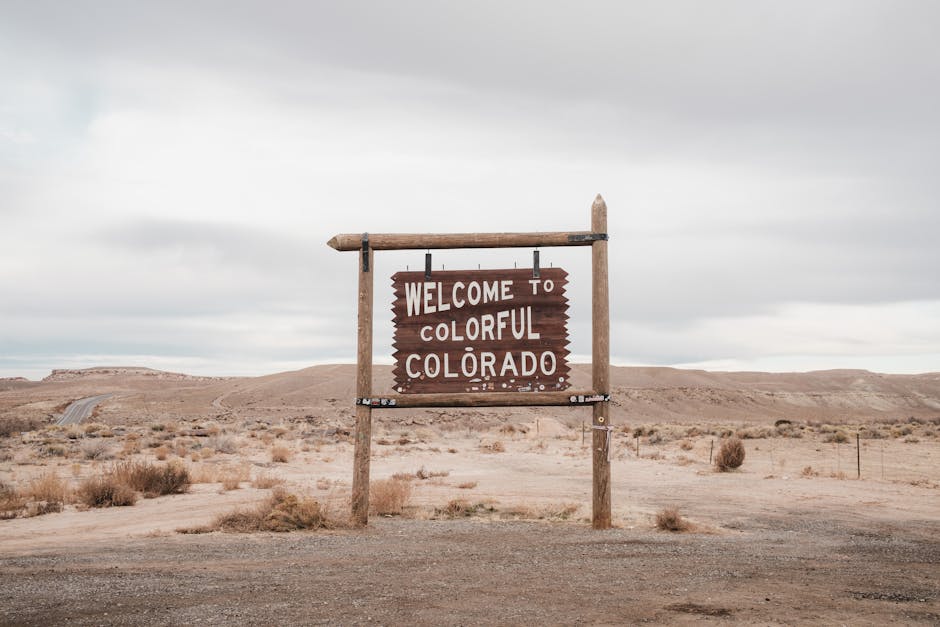
It was not the world's largest ball of twine. There are several competing claims to that title, and this one was not among the serious contenders. It was a large ball of twine in a small shed behind a gas station. There was a handwritten sign explaining its history. There was a donation box. There was a man sitting in a lawn chair who had been there, he said, every weekend for eleven years.
We stayed for forty minutes. We talked to the man. We learned more about twine than we had expected to learn in our lifetimes. We bought a postcard. We drove away feeling, inexplicably, better about everything.
This is the thing about roadside attractions that the travel industry does not know how to sell: they are not about the attraction. They are about the decision to stop. The decision to say yes to something that has no obvious value, no Michelin stars, no Instagram potential beyond the ironic. haveafieldtrip — the slow travel perspective is that the stops you did not plan are the ones you remember.
The man in the lawn chair had a theory about why people stopped. Not curiosity, he said. Relief. The highway is relentless. The roadside attraction gives you permission to be somewhere specific, to have a reason to be in this exact place at this exact moment, even if the reason is a ball of twine.
He was right. The ball of twine was not the point. The point was the man in the lawn chair, and the handwritten sign, and the donation box, and the forty minutes we spent somewhere we had not planned to be. grounded travel — the maker on the road knows this. The detour is often the destination.
We have a rule now: if there is a sign for something within two miles of the highway, we stop. Not always. But more than we used to. The ratio of good stops to bad stops is better than you would expect. maker on the road has some of this — the slow looking, the willingness to be somewhere without a plan. slow looking too — the daily practice of paying attention to what is actually in front of you.