The Directions Were: Turn Left at the Dead Tree
The woman at the gas station gave me directions that involved a dead tree, a cattle gate that might be open or might not, and a creek crossing that was "usually fine this time of year." She said it like she'd given these directions before, which she probably had, to the handful of people who asked.
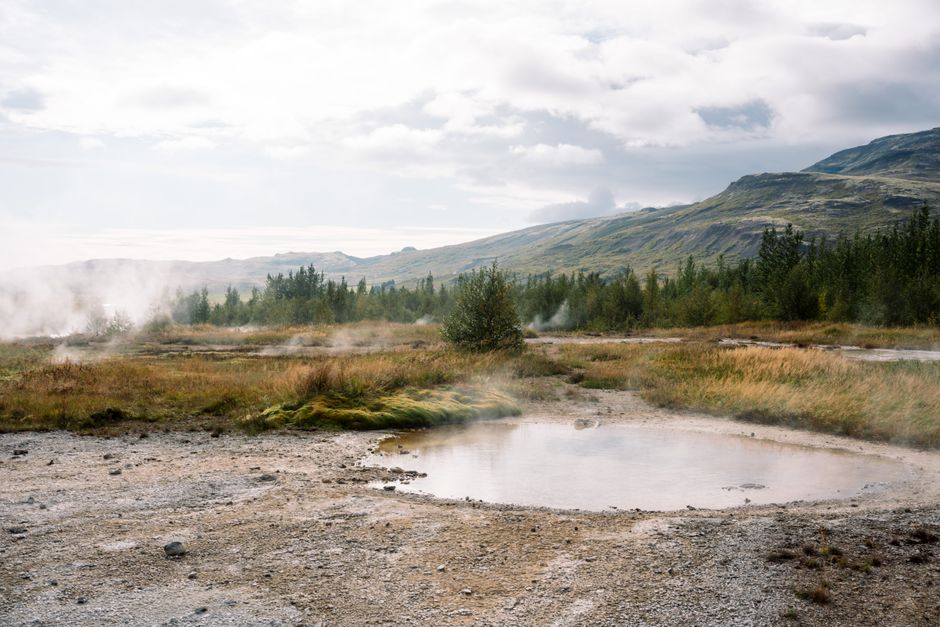
The hot spring doesn't appear on any map I've found. It's not on the hiking apps. It's not in the guidebooks. It exists in the local knowledge network — the kind of information that travels by word of mouth and doesn't survive being written down, because writing it down would change it.
The cattle gate was open. The creek crossing was fine. The dead tree was unmistakable — a massive ponderosa, bleached white, standing alone in a meadow like it had been placed there specifically to serve as a landmark.
What Was There
Three pools, fed by a spring that came out of the hillside at about 104 degrees. The pools had been shaped by whoever found them first — rocks arranged to hold the water, channels dug to let it flow from one to the next. No signs. No infrastructure. Just the arrangement of rocks and the fact of the hot water.
Two other people were there when I arrived. We nodded. Nobody talked much. The etiquette of unmapped places is to be quiet and leave it as you found it.

The water smelled faintly of sulfur. The sky was the specific blue that happens at elevation in October. A hawk circled overhead for a while and then didn't. I stayed for two hours and left before dark.
The Value of Unmapped Things
There's a particular quality to places that haven't been optimized for visitors. They're not comfortable in the way that developed places are comfortable. The path is unclear. The facilities are nonexistent. You have to figure things out as you go.
But they're also not performing anything. They're just there, doing what they do, indifferent to whether you appreciate them correctly. That indifference is restful in a way that curated experiences aren't.
Risen Today has been writing about the specific quality of places that haven't been arranged for you — the way they require a different kind of attention. And josephcalitoy.com has some thoughts on the things that resist documentation, which connects to why unmapped places stay unmapped.
I'm not going to say where it is. That's the point. Ask someone local. Follow the directions that involve a dead tree. The cattle gate will probably be open.
More on finding the places that aren't in the guidebooks at Brushed Past — which has been thinking about the relationship between place and making.