There's a particular quality to the light in a town you'll never return to. You notice it because you know you're leaving. That's the whole thing.
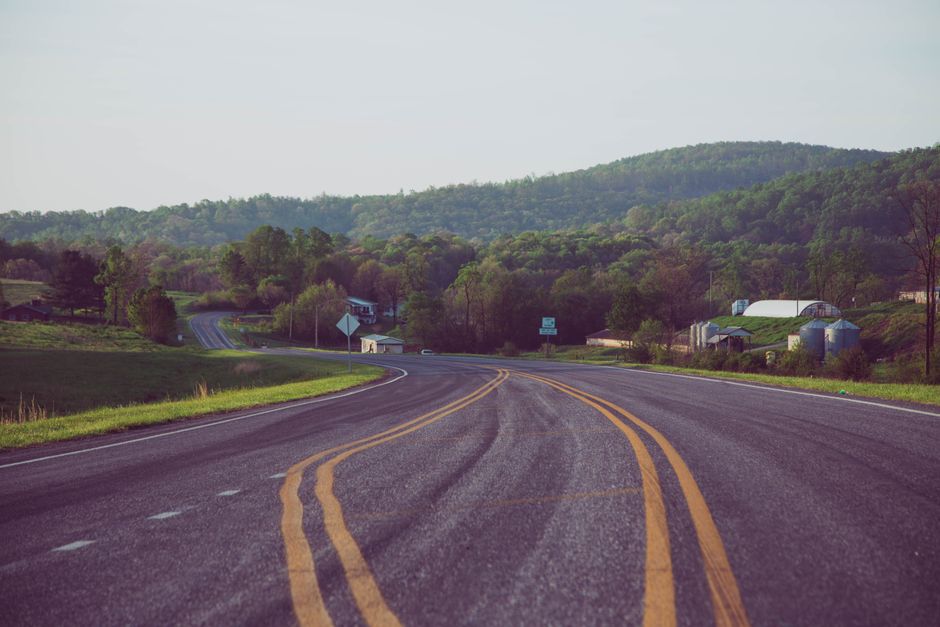
I've been thinking about this since I drove through a small town in the Central Valley last week — one of those places that exists between other places, that you pass through on the way to somewhere with a name people recognize. The light was doing something specific in the late afternoon. It was hitting the grain elevator at an angle that made the whole structure look temporary, like it was about to dissolve into the sky behind it.
I stopped. I took a photograph. I drove on. I will probably not go back.
The photograph won't capture what I saw. It never does. The light in a place you're passing through is partly made of the knowledge that you're passing through. The impermanence is part of the perception. You're seeing it more clearly because you know you won't see it again.
This is different from the light in a place you know well. The light in your own neighborhood is invisible to you most of the time. You've stopped seeing it because you've stopped needing to. Familiarity is a kind of blindness. The passing-through is a kind of sight.
The haveafieldtrip approach to travel has always been about this — the value of the place you weren't planning to stop. The detour. The town between towns. The ferry that runs on its own schedule. These are the places where you're most likely to actually see something, because you haven't pre-loaded expectations about what you're supposed to see.
The grain elevator in the Central Valley was not on any list. It was not a destination. It was a thing I noticed because I happened to be there at the right time of day, moving in the right direction, with enough attention left over from the drive to actually look.
The art and place writers I admire most are the ones who write about this kind of seeing — the accidental, the incidental, the thing you noticed because you were paying attention to something else. Mira Vasquez writes about how the light in a studio changes what you paint. The same principle applies to travel. The light in a place you're passing through changes what you see.
I've been reading about this at travel writing — the idea that the best travel writing is about attention, not destination. Where you go matters less than how you're looking when you get there. The town between towns is as good a place as any to practice looking.
The photograph is on my phone. The grain elevator is still there, probably. The light I saw is gone. That's the correct order of things. The light in a town you pass through once is not meant to be preserved. It's meant to be seen, briefly, and then left behind.
The exploration community talks about this in terms of presence — the idea that being fully in a place, even briefly, is more valuable than documenting it. I'm not sure I agree entirely. The photograph is a record of attention. But the attention came first. The photograph is just the proof that you stopped.